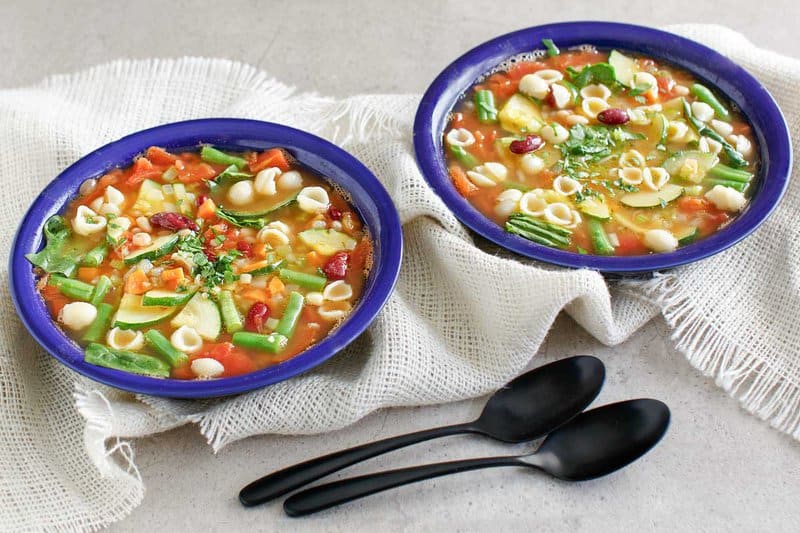
There’s something undeniably comforting and satisfying about a warm bowl of Olive Garden Minestrone Soup. Amidst a menu often celebrated for its "Never Ending Pasta Bowls" and beloved breadsticks, this hearty, vegetable-packed soup stands out as a delicious and lighter alternative. Imagine being able to recreate that authentic restaurant taste, packed with vibrant veggies, tender beans, and perfectly cooked pasta, all within the comfort of your own kitchen. This comprehensive guide will help you master the art of making a copycat Olive Garden Minestrone Soup that rivals the original, delivering a one-pot wonder that's both healthy and incredibly flavorful.
Minestrone, a quintessential Italian vegetable soup, is celebrated for its flexibility and wholesome ingredients. Olive Garden's version, known for its balanced flavors and generous medley of fresh produce, is a testament to simple ingredients coming together to create something truly special. Forget the need for refills; with this recipe, you'll have a pot full of soul-warming goodness ready whenever the craving strikes.
The Allure of Olive Garden Minestrone: A Hearty & Healthy Classic
What makes Olive Garden's Minestrone so universally loved? It’s more than just a soup; it's a bowl brimming with goodness. For many, it's the perfect counterpoint to richer meals, offering a burst of fresh flavors without sacrificing heartiness. This isn't a watery broth; it's a substantial meal in itself, brimming with plant-based protein and fiber, making it an ideal choice for a satisfying lunch or a light dinner. It’s also incredibly versatile, appealing to vegetarians and meat-eaters alike.
The beauty of recreating this classic at home lies in several advantages:
- Health Control: You dictate the sodium levels, the freshness of ingredients, and even the type of broth used.
- Budget-Friendly: Making soup from scratch is significantly more economical than dining out, especially when feeding a family.
- Customization: Have a favorite vegetable? Want to make it vegan? The power is yours to adapt.
- One-Pot Simplicity: Most of the magic happens in a single pot, minimizing cleanup and maximizing enjoyment.
This Healthy Olive Garden Minestrone: Your 30-Minute Copycat Guide is designed to give you that same restaurant-quality experience with the added benefit of homemade freshness and control. It's a dish that truly embodies comfort food without the guilt.
Crafting Your Copycat Olive Garden Minestrone Soup: The Essential Ingredients
The secret to a stellar Olive Garden Minestrone Soup lies in its well-chosen, abundant ingredients. Think fresh, colorful, and readily available. Here's a breakdown of what you'll need and why each component is crucial:
The Aromatic Foundation
- Olive Oil: The base for sautéing, adding a foundational richness. Choose a good quality extra virgin olive oil for best flavor.
- Onion, Celery, Carrots (Mirepoix): This classic French trio forms the aromatic heart of many soups. Onions provide pungent sweetness, celery a subtle earthiness, and carrots a natural sweetness and vibrant color.
- Garlic: Essential for that savory, slightly pungent kick that defines Italian cooking.
The Tomato Base & Broth
- Diced Tomatoes (Canned): These add tanginess, body, and a rustic texture. For a deeper, more complex flavor profile, consider fire-roasted diced tomatoes.
- Tomato Paste: A small but mighty ingredient, tomato paste deepens the broth's flavor and color, adding an umami richness that canned diced tomatoes alone can't achieve.
- Vegetable Broth (or Chicken Broth): The liquid backbone of your soup. Opt for a reduced-sodium variety to control the overall saltiness. This allows you to season to taste without the soup becoming overly salty from the broth.
The Vegetable Powerhouse
This is where the Minestrone truly shines, showcasing a symphony of textures and nutrients. Visit your local grocery store or farmers market for the freshest picks:
- Zucchini: Adds mild bulk and a tender bite.
- Green Beans (Fresh or Frozen): A classic minestrone addition, offering a crisp-tender element.
- Spinach (Fresh): Stirred in at the very end, it wilts beautifully, adding freshness and a boost of greens.
Protein & Texture: The Beans
Beans provide a creamy texture, plant-based protein, and make the soup incredibly filling.
- Kidney Beans (Canned): Hearty and classic.
- Cannellini Beans (Canned, also known as white kidney beans): Creamier and milder than kidney beans.
- Tip: Always drain and thoroughly rinse canned beans to remove excess sodium and improve their texture.
The Perfect Pasta
Small pasta shapes are ideal for minestrone, ensuring each spoonful is balanced with vegetables and beans. Think:
- Small Shells
- Elbow Macaroni
- Ditalini
- Tip: Choose pasta that's roughly the size of the beans for ideal texture and spoon-ability.
Flavor Enhancers & Finishing Touches
- Italian Seasoning: A convenient blend of dried herbs like oregano, basil, thyme, and rosemary, it's key to replicating Olive Garden's signature flavor profile.
- Salt & Black Pepper: Essential for enhancing all the other flavors.
- Fresh Parsley & Basil: A non-negotiable for that bright, herbaceous, and aromatic finish. Stirred in at the end, they awaken the soup with garden-fresh vibrancy.
- Parmesan Cheese: For serving! Grate your own from a block of Parmesan or Parmigiano-Reggiano for the freshest, most authentic flavor.
For more insights on how these ingredients contribute to a cost-effective meal, check out our guide on Budget-Friendly Olive Garden Minestrone: A Customizable Classic.
Mastering the One-Pot Method: Step-by-Step for Success
One of the best features of this Olive Garden Minestrone Soup recipe is its simplicity. Everything comes together in a single pot, making it perfect for busy weeknights.
- Start with Aromatics: Heat olive oil in a large Dutch oven or soup pot over medium heat. Add diced onion, celery, and carrots. Sauté until softened, about 5-7 minutes. This step is crucial for building a flavorful foundation.
- Infuse with Garlic and Tomato Paste: Stir in minced garlic and tomato paste, cooking for another minute until fragrant. The tomato paste will deepen in color, indicating its flavors are developing.
- Build the Broth: Pour in the diced tomatoes (undrained) and vegetable broth. Add the Italian seasoning, salt, and pepper. Bring the mixture to a gentle simmer, then reduce heat, cover, and let it cook for about 10-15 minutes. This allows the flavors to meld beautifully.
- Add Remaining Vegetables and Pasta: Stir in the zucchini and green beans. Continue to simmer for 5 minutes, then add the drained and rinsed kidney and cannellini beans, along with the small pasta. Cook according to pasta package directions (usually 8-10 minutes), stirring occasionally to prevent sticking. You want the pasta to be al dente, firm to the bite, not mushy.
- Finish with Freshness: Just before serving, stir in the fresh spinach, allowing it to wilt into the hot soup for just a minute or two. Remove the pot from the heat and stir in the freshly chopped parsley and basil.
- Serve Warm: Ladle the hot soup into bowls and garnish generously with freshly grated Parmesan cheese. Serve immediately, perhaps with a side of crusty bread or Olive Garden-style breadsticks.
Tips for an Unforgettable Olive Garden Minestrone Experience
- Don't Overcook the Pasta: This is critical for good texture. Cook it just until al dente, as it will continue to soften slightly in the hot broth. If making a large batch for leftovers, consider cooking the pasta separately and adding it to individual bowls to prevent it from getting mushy.
- Fresh Herbs Make a Difference: While dried Italian seasoning sets the base, fresh parsley and basil at the end elevate the soup, adding a vibrant aroma and fresh taste that processed herbs simply can’t replicate.
- Taste and Adjust: Always taste your soup before serving. You might need a little more salt, pepper, or even a pinch more Italian seasoning. A splash of red wine vinegar or a squeeze of lemon juice can brighten flavors if it feels a little flat.
- Customization is Key: Feel free to experiment! Add other seasonal vegetables like kale, bell peppers, or even potatoes. For a heartier version, a vegetarian protein like crumbled plant-based sausage or even cooked chicken can be added towards the end.
- Storage: Leftover Minestrone stores beautifully in an airtight container in the refrigerator for up to 3-4 days. The flavors often deepen overnight, making it even better the next day!
Mastering this Olive Garden Minestrone Soup means you're just one pot away from a wholesome, delicious, and deeply satisfying meal that tastes like it came straight from your favorite Italian restaurant. Embrace the process, savor the aromas, and enjoy your culinary creation!
